
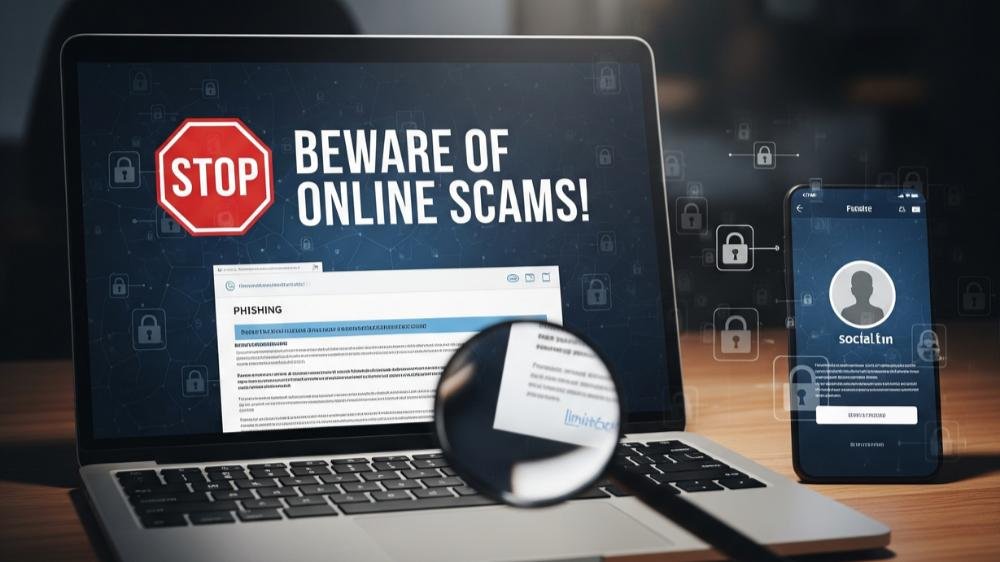
5 Online Scams That Can Cost You Money — And How to Stay Safe
The internet has made our lives much easier. We can shop online, talk to people from different countries, find jobs, send money, study, and even manage our bank accounts from our phones.
But there is another side of the internet that we should not ignore.
Every day, scammers are trying to trick people online. Sometimes they send a simple message. Sometimes they create a professional-looking website or pretend to be someone we trust. Their goal is usually the same: to take our money, personal information, or account details.
The scary part is that online scams do not always look like scams. Some of them look very real.
Here are five common online scams that everyone should know about and learn how to avoid
Investment and Crypto Scams
Investment scams are one of the most dangerous types of online scams because people can lose a lot of money.
You may see an advertisement on Facebook, Instagram, YouTube, or another website promising easy money. Someone may tell you that they have made thousands of dollars from cryptocurrency, stocks, or another investment.
They may say something like, “Invest €100 today and make €1,000 next week.”
It sounds exciting, especially when you are looking for a way to make extra money. But this is exactly how scammers attract people.
They may show fake profits on an investment website or app. At first, you might even be allowed to withdraw a small amount of money. This can make you believe that everything is real.
5 Online Scams That Can Cost You Money — And How to Stay Safe
Later, they ask you to invest more money. When you finally try to withdraw your money, they may ask for additional fees or taxes. In many cases, the money is simply gone.
How to stay safe
5 Online Scams That Can Cost You Money — And How to Stay Safe
Never trust anyone who promises guaranteed or extremely high returns. Take your time and research the company before investing. Never send money simply because someone contacted you online.
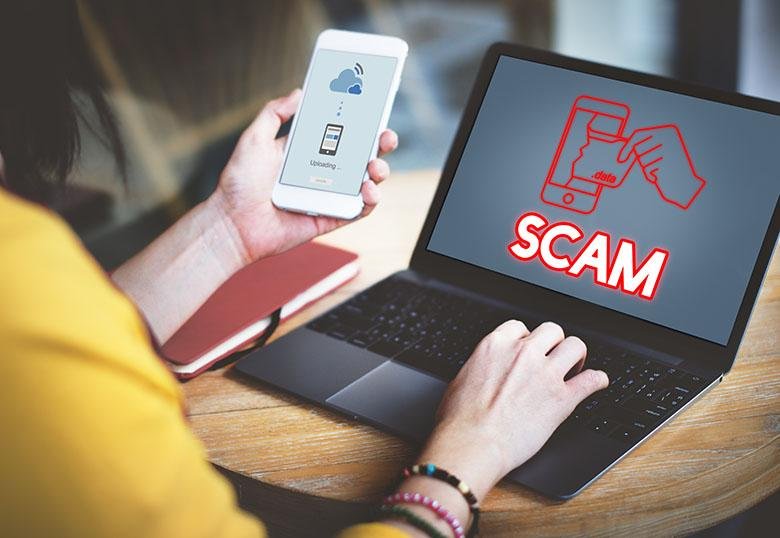
Online Shopping Scams
Online shopping is now part of everyday life. We buy clothes, electronics, shoes, furniture, and many other things from websites and social media.
Unfortunately, scammers know this.
They create fake online shops or advertisements offering expensive products at unbelievably low prices. A phone that normally costs €800 may suddenly be advertised for €250.
The website may look professional. It may even have pictures, customer reviews, a shopping cart, and a payment page.
You make the payment, but the product never arrives.
Sometimes the scam is slightly different. You receive a cheap or completely different product instead of what you ordered
Warning signs
Be careful if:
- The price is much lower than everywhere else.
- The website has strange spelling or grammar.
- There is no proper contact information.
- The seller wants payment through unusual methods.
- You cannot find independent reviews about the company
How to stay safe
5 Online Scams That Can Cost You Money — And How to Stay Safe
Before buying, search for the company name and read reviews from different sources. Be especially careful with advertisements you see on social media.
If a deal looks too good to be true, take a step back and investigate before paying.
Fake Job and Task Scams
Finding a job online has become normal. Many people use websites such as LinkedIn and other job platforms to find work.
Scammers also use these platforms.
You may receive a message saying that you have been selected for a simple online job. The work may involve liking videos, reviewing products, completing small tasks, or promoting businesses.
At first, everything may look easy.
The scammer may even give you a small payment to gain your trust. Later, they tell you that you need to deposit your own money to unlock a bigger task or receive a larger payment.
You send the money, but then they ask for more.
Eventually, you realise that the “job” was never real.
How to stay safe
5 Online Scams That Can Cost You Money — And How to Stay Safe
A real employer normally does not ask you to pay money to get a job. Be careful with anyone asking for registration fees, deposits, cryptocurrency payments, or money transfers before you can start working.
Research the company and check whether the job actually exists on its official website.
Romance and Relationship Scams
Not every scam begins with money.
Some begin with friendship and emotions.
Romance scammers often meet people through dating apps or social media. They may spend weeks or months talking to someone and slowly build trust.
They can be very friendly, caring, and romantic.
After gaining your trust, they may suddenly have a problem. They might say they need money for a medical emergency, travel problem, family issue, business problem, or another urgent situation.
Because you have developed feelings for them, you may want to help.
This is what the scammer is waiting for.
Some scammers also introduce fake investment opportunities and convince their online partner to invest money.
How to stay safe
5 Online Scams That Can Cost You Money — And How to Stay Safe
Be careful if someone you have never met in real life quickly becomes very emotional or asks for money.
Never send money simply because someone says they love you. Do not share your banking information, passwords, or financial details with an online romantic partner.
If possible, verify the person’s identity and take your time before trusting them.
Phishing and Impersonation Scams
You may have received a message saying:
“Your bank account has been blocked.”
“Your package could not be delivered.”
“Your payment failed.”
“Your account will be closed today.”
These messages are often designed to make you panic.
The scammer may pretend to be your bank, a delivery company, a government organisation, a technology company, or another trusted service.
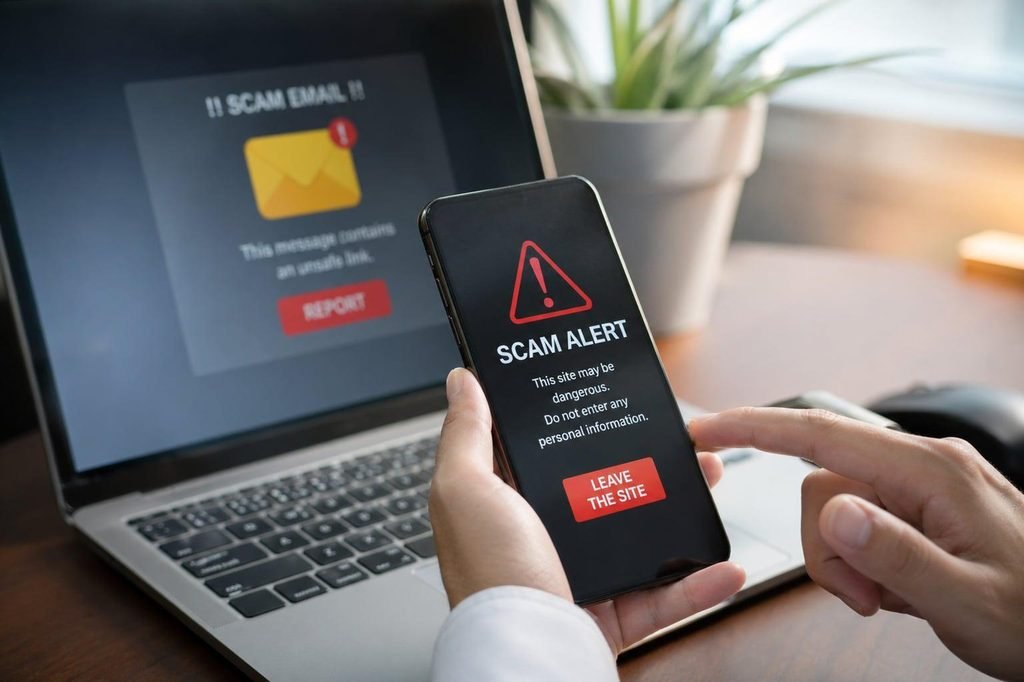
The message usually contains a link. When you click it, you may be taken to a fake website that looks almost identical to the real one.
The website asks you to enter your username, password, card information, or other personal details.
Now the scammer has what they wanted.
How to stay safe
5 Online Scams That Can Cost You Money — And How to Stay Safe
Do not click suspicious links in unexpected messages. If you receive a message from your bank, for example, open your banking app directly or type the official website address yourself.
Never give your password, security code, or verification code to someone who contacts you unexpectedly.
Why Do People Fall for Online Scams?
5 Online Scams That Can Cost You Money — And How to Stay Safe
One important thing to remember is that getting scammed does not mean someone is stupid.
Scammers are good at understanding human emotions.
They use fear, excitement, curiosity, love, greed, and urgency to make people act quickly.
For example, if someone tells you, “You must pay within 10 minutes,” you may not have enough time to think.
That is why one of the best ways to protect yourself is simple:
Slow down.
Take a few minutes to check the information. Ask yourself who contacted you, why they contacted you, and what they want from you.
Final Opinion
The internet is not a dangerous place by itself. It is a useful tool that gives us access to information, opportunities, entertainment, and people around the world.
But we need to use it carefully.
Investment scams, shopping scams, fake jobs, romance scams, and phishing attacks can happen to anyone. Scammers are constantly changing their methods, so staying informed is one of the best forms of protection.
Before sending money or personal information, stop and think.
Who is asking me? Why are they asking? Can I verify it independently?
A few minutes of checking can sometimes save you hundreds or even thousands of euros.
The most important rule is simple: Do not let urgency make your decisions for you.
Pingback: 5 Real Websites to Make Money Online (No Fake Promises)